Blog topic
System design
Caching, consistency and the backend that keeps AI products standing.
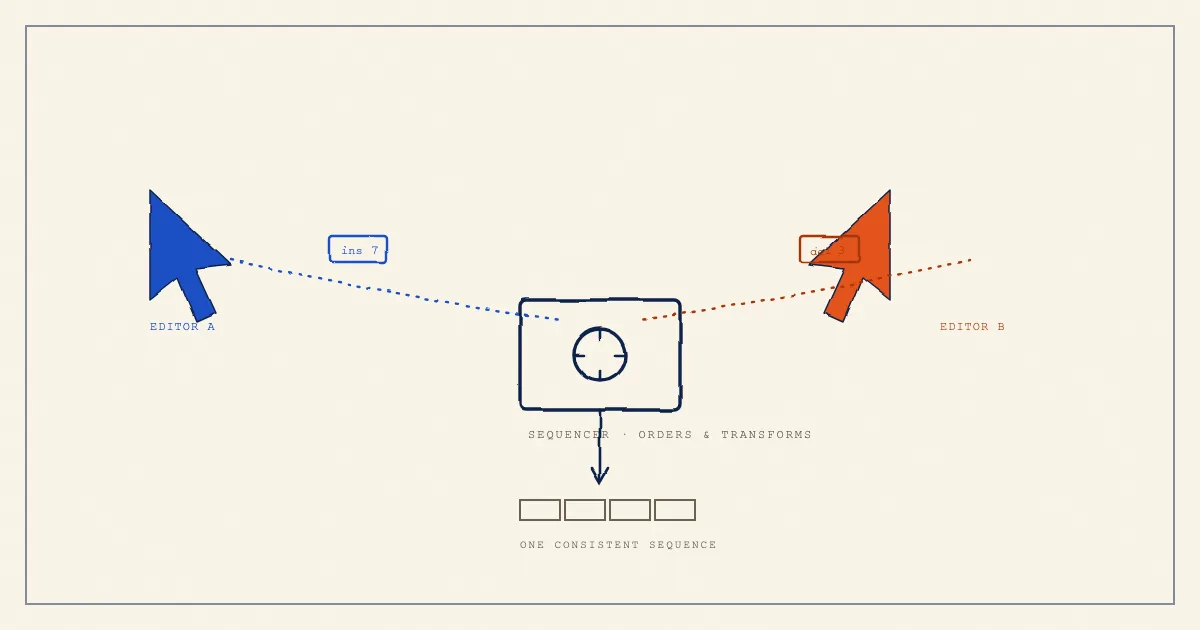
Collaborative editing works because changes become operations
Last-write-wins and locking both fail for real-time text collaboration. The fix is turning every keystroke into an operation the server can order and transform, here's how, and what it isn't.
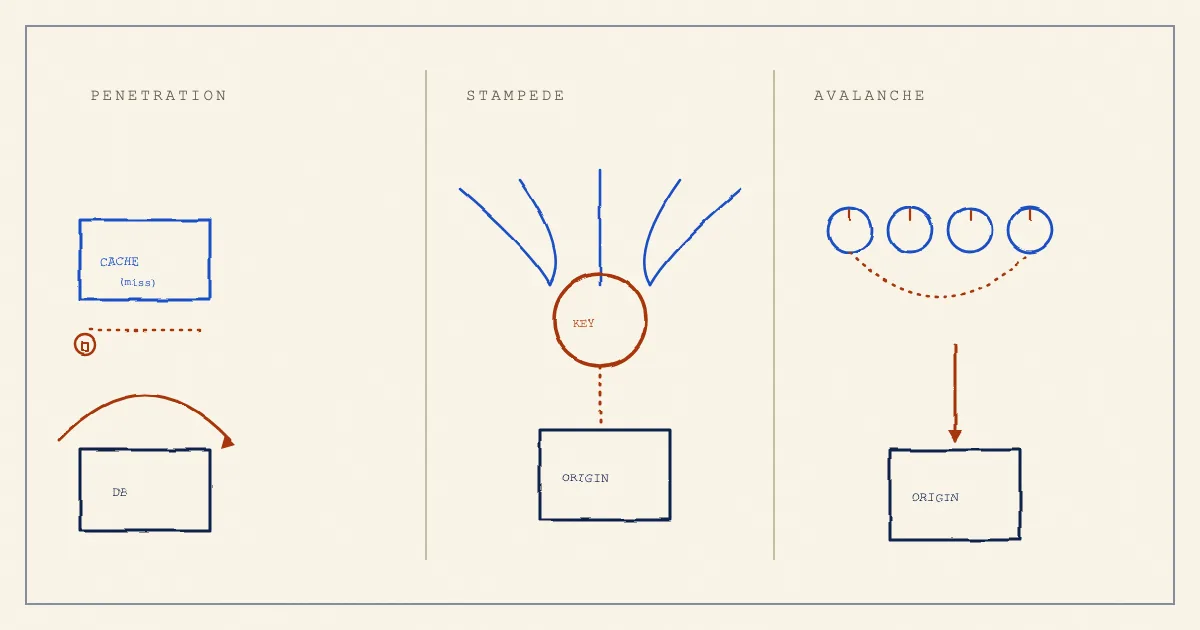
Three Redis failures that look similar until production
Cache penetration, stampede and avalanche all look like "Redis fell over," but each has a different cause and a different fix. Here's how to tell them apart.
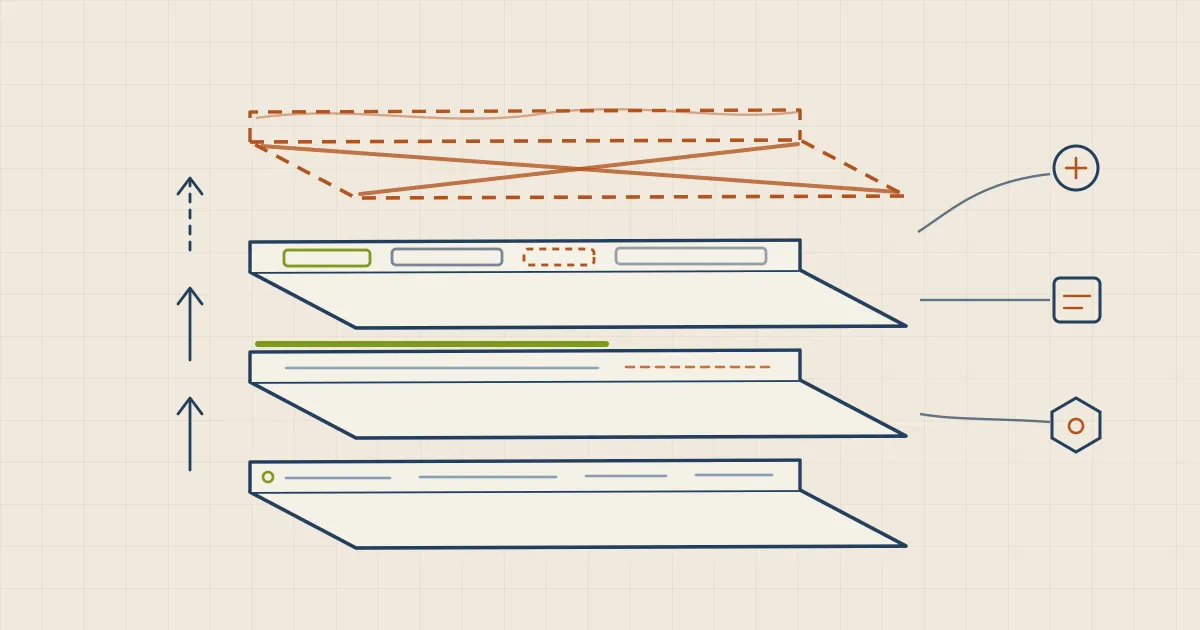
The three caches in a production LLM system
Application data, repeated prompt prefixes, and final answers behave differently. Treating them as one cache creates stale replies and hides the real cost of an AI product.